
Best Time to Visit Vietnam: A Realistic Guide for Every Type of Traveler
Vietnam is not a country you visit with a single weather expectation. Stretching over 1,600 kilometers from north to south, it carries three distinct climate patterns at the same time. While the mountains in the north can feel chilly and misty, the southern islands may be warm and dry under clear blue skies.
So instead of asking “What is the best month to visit Vietnam?”, a better question is: What kind of trip are you planning?
This guide breaks it down clearly by region, season, and travel style so you can choose the timing that fits your experience, not just the weather chart.
Vietnam’s climate: why timing matters more than you think

Vietnam has three major climate patterns:
• Northern Vietnam – four seasons, cooler winters
• Central Vietnam – long rainy season and occasional typhoons
• Southern Vietnam – tropical with dry and wet seasons
Key cities and areas include:
• Hanoi and Sapa in the north
• Da Nang and Hoi An in central Vietnam
• Ho Chi Minh City and Phu Quoc in the south
Because of this diversity, there is no single “perfect” month for the entire country. But there are smart windows when multiple regions align beautifully.
March to May: the most balanced time to visit Vietnam
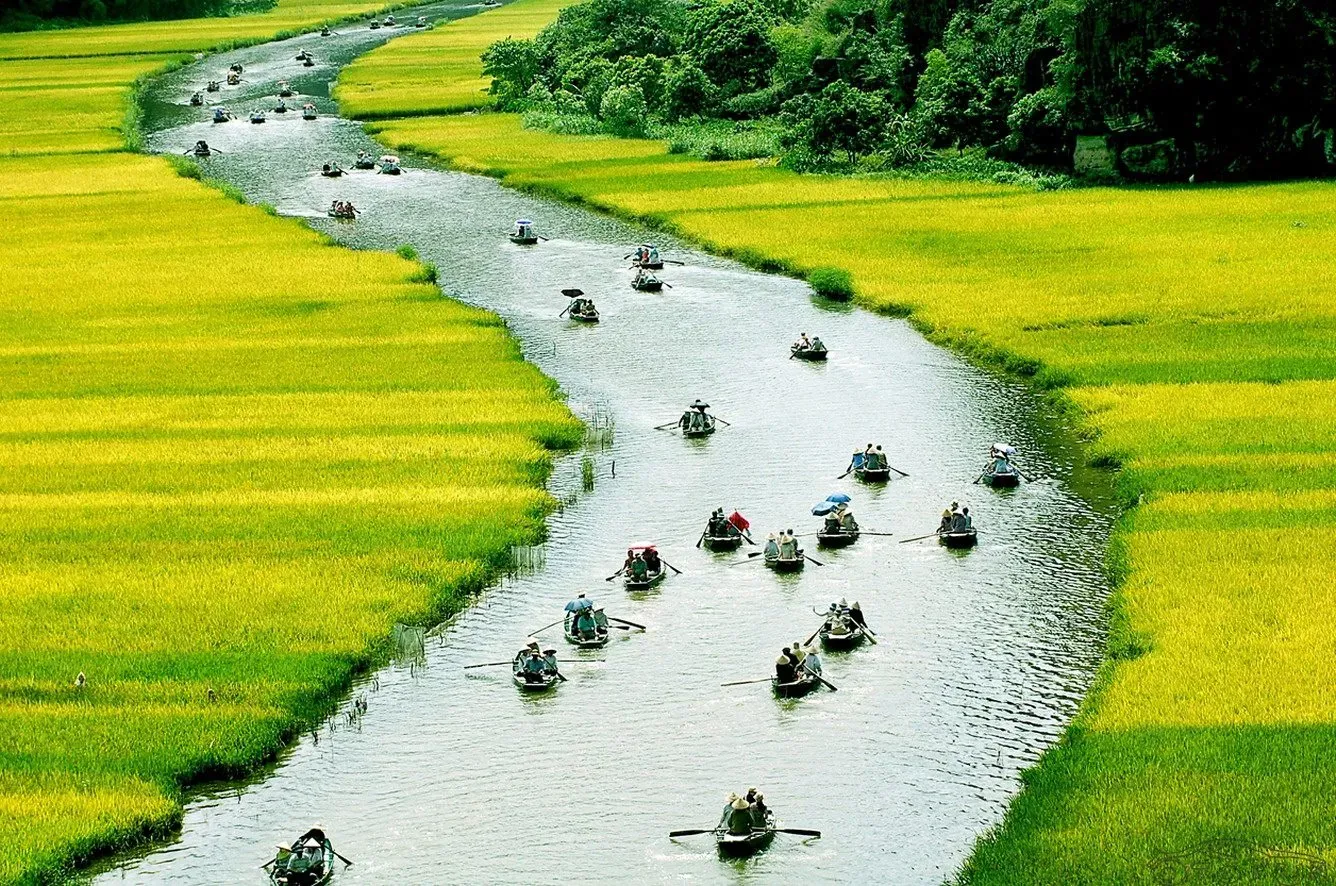
Photo Credit: Halong Bay Lux Cruises
If you want the safest answer for a multi-region trip, this is it.
From March to May:
• Northern Vietnam is warm but not yet humid
• The skies are clearer in places like Ha Long Bay
• Rice fields in Ninh Binh turn lush green
• Central beaches begin to shine
Temperatures are generally comfortable, usually between 22–32°C depending on location. This period works especially well if you plan to travel from north to south in one continuous journey.
It is also a great time for outdoor activities, food exploration, and long walking days without extreme heat.
September to November: cooler air and fewer crowds

Photo Credit: Vietnam+ (VietnamPlus)
Autumn brings a different kind of beauty. In northern areas, temperatures drop slightly and humidity decreases, making outdoor exploration more enjoyable. Sapa’s rice terraces turn golden before harvest, creating one of the most photogenic periods of the year.
Central Vietnam may still experience rain during early autumn, so beach-focused travelers should check forecasts carefully. However, fewer crowds and softer pricing can make this season appealing if flexibility is possible.
If you value atmosphere over perfect sunshine, autumn can feel more authentic.
December to April: best for beaches and southern Vietnam

Photo Credit: Hostelworld
Southern Vietnam’s dry season runs roughly from December to April. During this time, rainfall is limited and sunshine is consistent. Phu Quoc’s beaches are calmer, the Mekong Delta is easier to explore by boat, and Ho Chi Minh City sees clearer skies.
This period is also peak travel season, meaning higher hotel demand and busier attractions. Booking accommodations in advance is highly recommended.
If beaches are your priority, this window offers the most predictable experience.
When to be cautious: central Vietnam’s rainy season
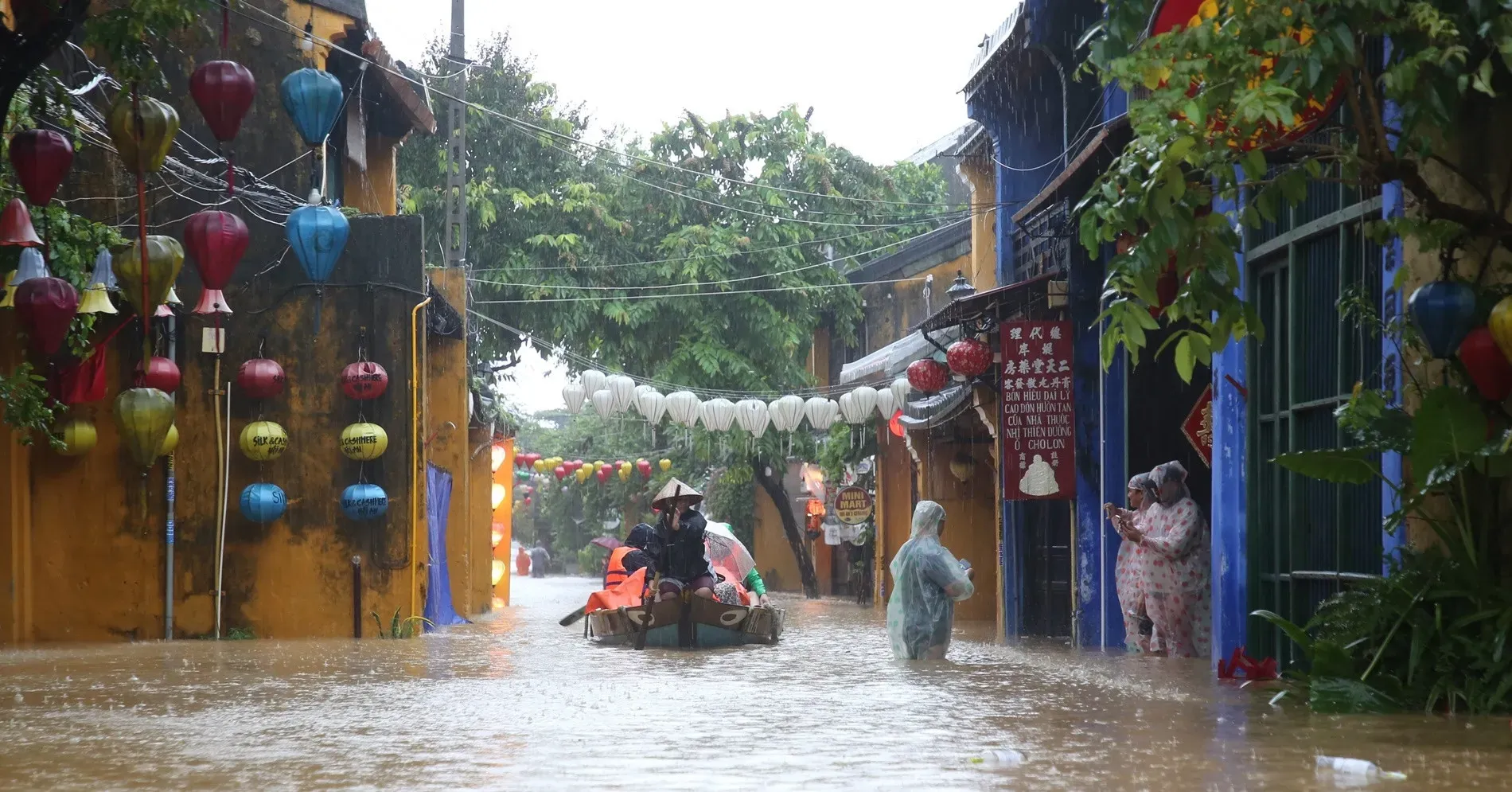
Photo Credit: VietNamNet
From around September to January, central Vietnam can face heavy rain and occasional typhoons. This affects coastal areas, including Da Nang and Hoi An.
Flooding sometimes occurs in low-lying areas. Beach conditions may not be ideal. This does not mean you cannot visit, but flexibility is essential. Travel insurance and buffer days help.
For beach-focused trips to central Vietnam, May to August is generally safer, though it will be hotter.
Month-by-month quick guide
Here is a simplified overview:
• January – February: Cool in the north, warm and dry in the south. Great for Phu Quoc, possible fog in Sapa.
• March – April: Excellent balance nationwide. Ideal for full-country routes.
• May – June: Warmer everywhere. Beaches good in central Vietnam.
• July – August: Hot and humid. Occasional storms. Lush green landscapes.
• September – October: Beautiful autumn in the north. Watch for central rain.
• November – December: Transition period. Improving conditions in the south.
No month is completely “wrong”. It depends on where you go.
Best time based on travel style
If you are planning around experience rather than weather, consider this:
• For trekking and mountain scenery: March–May or September–October in northern Vietnam.
• For beach relaxation: December–April in southern Vietnam.
• For cultural city exploration: March–April and October–November.
• For fewer crowds and better prices: Shoulder seasons like May or late September.
Smart planning means matching region and season carefully.
Where to stay while exploring southern Vietnam
If your journey includes Ho Chi Minh City, choosing the right base changes your experience.
Staying in the city center means you can walk to cafés, local eateries, museums, and markets without relying heavily on transport. After a long humid day outside, what you really want is:
• A cool, quiet room
• A comfortable bed
• A hot shower
• A place that feels simple and welcoming
That is exactly what KiN Hotel focuses on. KiN is not about luxury showpieces. It is about thoughtful comfort, friendly atmosphere, and a location that makes daily exploration easier.
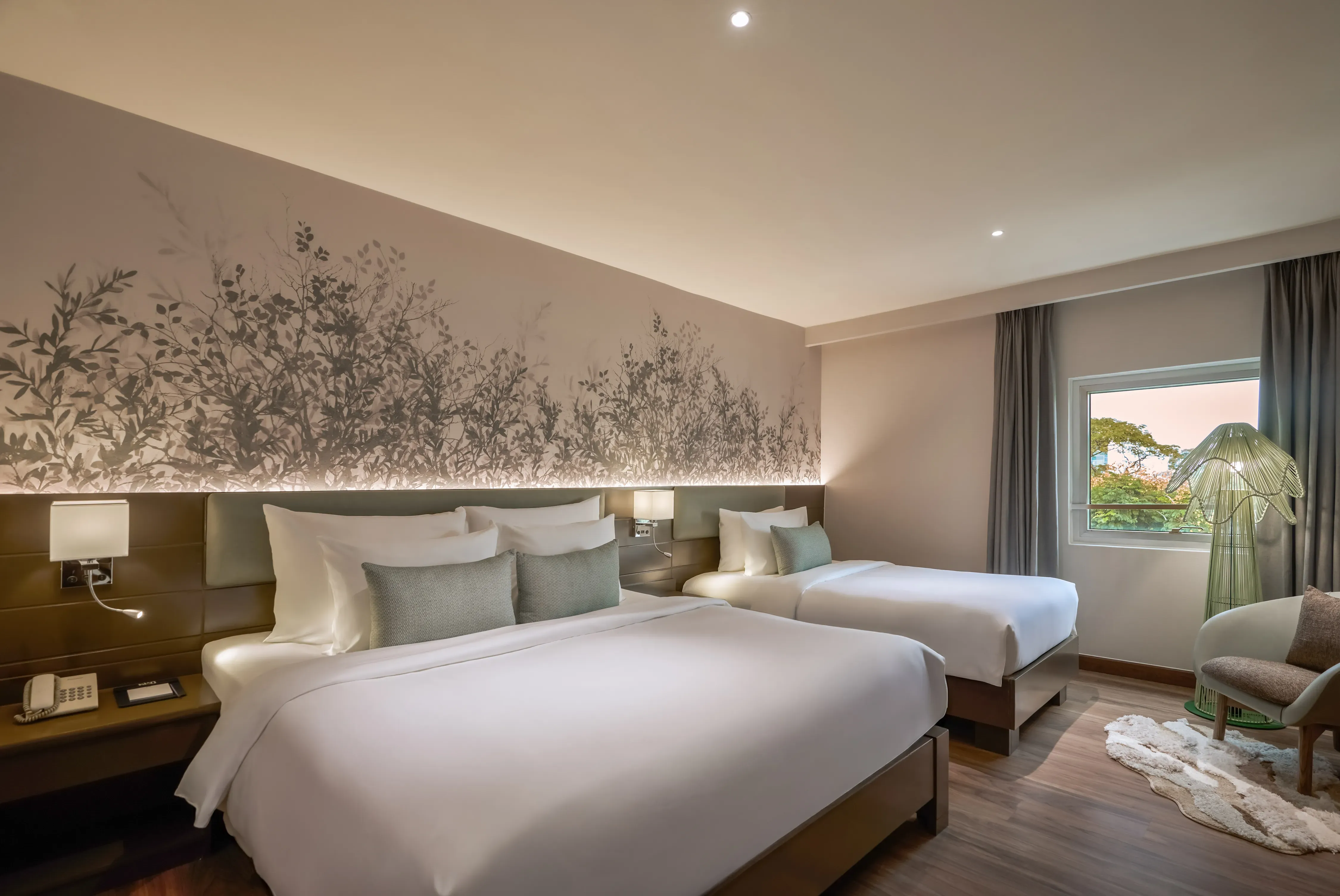
You step outside and the city is right there.
You come back, and it feels calm again.
If you are planning your Vietnam trip during the dry season or shoulder months, securing your room early is always a good idea. You can check availability and book directly through KiN Hotel’s official website for the best rates and flexible support.
Frequently Asked Questions
>Beyond practical planning, timing in Vietnam is ultimately about choosing the atmosphere you want to experience.
Vietnam does not offer one perfect season. Instead, it offers different moods throughout the year – misty mountains, golden harvest fields, bright tropical beaches, and lively urban evenings after rain. When your travel goals align with its natural rhythm, the experience feels effortless and memorable.
Plan thoughtfully, match region to season, and let the journey unfold naturally.
Into smart travel tips? Follow @kinhotel on Instagram and TikTok for practical guides, and thoughtful ways to explore Saigon and beyond.


